The 1957 Chevrolet 210 Explained : When people talk about 1950s American cars, the Chevrolet Bel Air almost always steals the spotlight. Its chrome, fins, and flamboyance created a legend that continues today. Yet hidden in the shadow of this icon stood a car that offered nearly the same power, the same spirit, and in many ways, even better everyday performance—the 1957 Chevrolet 210. Often overshadowed by its more glamorous sibling, the Chevy 210 emerged as the sleeper hit of the decade, delivering V8 power, clean design and real-road usability that made it an instant favorite among drivers who preferred substance over flash.
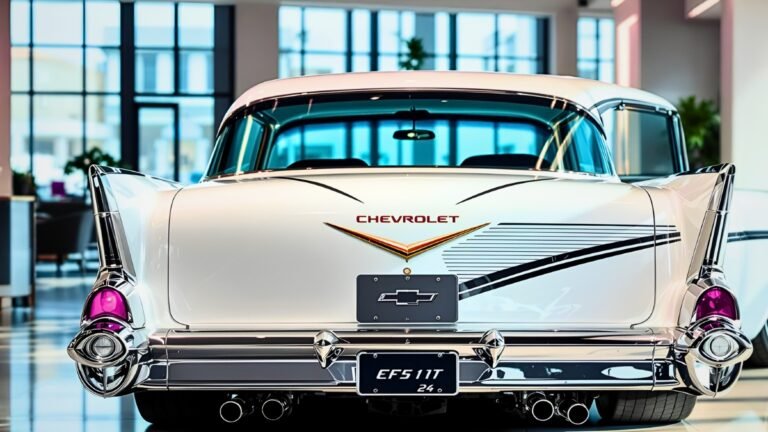
A Design That Balanced Style and Simplicity
The 1957 Chevrolet 210 carried the unmistakable charm of the Tri-Five era, blending curves, chrome and character with a cleaner approach than the Bel Air. While the Bel Air flaunted heavy chrome and gold trim, the 210 kept things elegant and tasteful, sporting body-colored side panels, simplified trim lines and a more restrained front grille. The result was a car that looked refined and timeless rather than flamboyant. The 210’s proportions were nearly perfect, with its slightly lowered stance, long hood and iconic tailfins capturing the spirit of 1950s optimism. Many enthusiasts argue that the 210’s uncluttered design gives it a purer, more authentic ’57 Chevy feel.
A V8 Rocket Hidden Behind a Modest Face
Under the hood, the 1957 Chevrolet 210 could be equipped with the same legendary engines found in the Bel Air—including the famed 283 cubic-inch “Super Turbo-Fire” V8 with optional fuel injection. This made the 210 one of the first truly affordable American performance cars to offer near-sports-car acceleration. The top fuel-injected version delivered an impressive 283 horsepower, achieving the magical “one horsepower per cubic inch” benchmark that defined performance engineering for decades. Because the 210 weighed slightly less than the Bel Air, many drivers found it quicker, more responsive and better suited for spirited driving. For budget buyers, the smaller 235 inline-six and 265 V8 variants offered smooth, dependable performance that could be upgraded easily.
A Driving Experience Built for Real Roads
Chevrolet designed the 210 not just for show but for actual driving. Its suspension tuning made it stable on highways, while its steering feel gave drivers confidence at higher speeds. The car absorbed bumps well and handled long-distance travel like a champion. Whether cruising through small American towns or powering down open desert highways, the 210 delivered that unmistakable “floaty but firm” classic-car ride quality. Its lighter weight compared to the Bel Air added better balance and a more engaging driving character. Buyers appreciated that it felt sporty without losing its everyday comfort.
An Interior That Mixed Durability With Classic Charm
Inside, the 1957 Chevrolet 210 delivered a cabin designed for practicality and comfort. The dashboard featured simple, symmetrical gauges framed in chrome, giving it a clean retro aesthetic. Vinyl bench seats offered generous space for families, and the steering wheel’s wide rim made the car feel majestic to command. The interior lacked some of the luxurious touches of the Bel Air, but that didn’t stop drivers from appreciating its honest, durable build. Many 210 owners customized the interiors with aftermarket upholstery, radios and chrome trims, giving each car a unique personality while keeping costs low.
Why the Chevy 210 Became a Sleeper Favorite
Although the Bel Air dominated showroom attention, the Chevrolet 210 gained a strong following for being the smarter buy. It delivered nearly every engine option the Bel Air had, with fewer frills and a lower price. For hot-rodders, the 210 was the perfect blank canvas—lighter, simpler and easier to modify. Enthusiasts often swapped in bigger carburetors, installed dual exhausts, added chrome valve covers and made performance tweaks that turned the 210 into a street legend. Its cleaner body lines also appealed to custom builders who preferred a sleeker, less decorated platform for personalization.
The Car That Stole the Spotlight on the Streets
Even though the Bel Air was the showroom star, the 210 earned its own spotlight where it mattered most—on the open road. Its V8 rumble, tailfin silhouette and muscular stance made it impossible to ignore. Whether rolling into drive-ins, pulling up at drag strips or cruising through neighborhoods, the 210 delivered presence and pride. Drivers loved the way people turned to watch it pass by, admiring the understated beauty and confident road manners. Over time, this humble classic developed a reputation as the “sleeper” ’57 Chevy—the one that looked modest but performed like a beast.
A True American Icon Rediscovered
Today, collectors and enthusiasts are rediscovering the magic of the 1957 Chevrolet 210. Its value has steadily risen, and its reputation as the forgotten star of the Tri-Five era has grown stronger. Many experts now believe the 210 represents the perfect balance between performance, style and affordability for classic-car fans. It captures everything that made the 1950s automotive world unforgettable: chrome, fins, V8 thunder and a spirit of freedom. While the Bel Air may still be the poster child of the era, the 210 stands proudly as the classic that quietly outperformed expectations and won the hearts of true drivers.